







Search Results for: Coffee Bean Processing

How to Identify Coffee Bean Processing Methods? A Full Analysis of Flavors and Bean Appearance for Natural, Washed, Honey, and Wet-Hulled Processes
Faced with a dazzling array of coffee beans, how can you tell from their appearance and flavor which processing method they have undergone? Drawing on the practical experience of Front Street Coffee, this article teaches you to observe bean surface features such as remaining silver skin, the white line in the bean cleft, color, and sugar glazing, so you can quickly distinguish common processing methods like natural, washed, honey, and wet-hulled. At the same time, using examples from producing regions such as Yirgacheffe, it compares the flavor differences between natural and washed processing in terms of sweetness, complexity, and cleanliness, and extends to the craft logic of anaerobic processing and barrel fermentation, helping you understand more systematically how processing methods shape coffee flavor. [more…]
What brand is Ninety Plus? Uncovering the 90+ coffee bean scoring standards, exclusive processing system, and Panama estate
In the world of specialty coffee, there is one name that is almost synonymous with "ultimate"—Ninety Plus, which we commonly call 90+. What makes it stand out to coffee professionals worldwide? The hard metric of scoring above 90 points in SCAA cupping is only the starting point; what is truly astonishing is its complete control from seed to cup: the exclusive Profile Processing production system, its own Gesha estate in Panama, and a unique system that uses flavor symbols instead of traditional processing method labels. This article gives you a systematic understanding of 90+'s brand core, grading logic, and flavor philosophy, along with practical brewing suggestions from Front Street Coffee for brewing 90+ Candor. [more…]
How Coffee Bean Processing Methods Shape Flavor Differences: A Comprehensive Comparison of Washed and Natural Processing
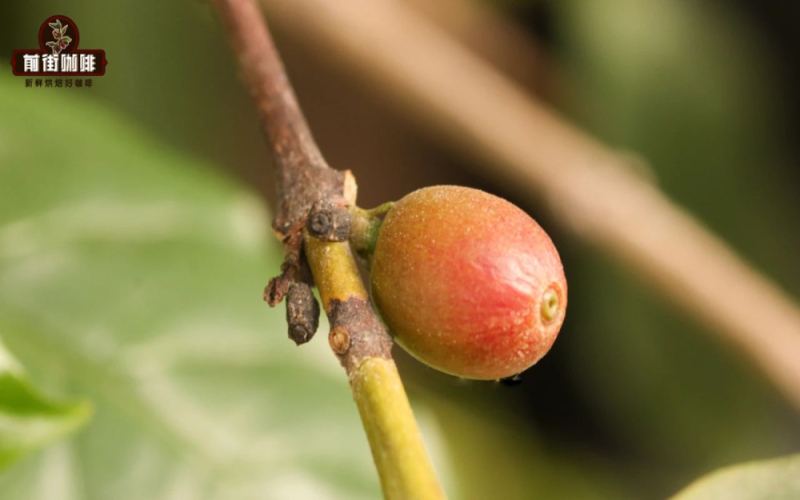
Are coffee beans actually the fruit of the coffee tree? Can they be roasted directly after picking? These questions puzzle many people who are just getting into coffee. In fact, coffee beans are the seeds of the coffee fruit, and they need to go through a series of green bean processing methods to reveal different flavors. Washed and natural, as two mainstream processing methods, show significant differences in workflow, drying time, appearance characteristics, and final cupping performance. Through extensive cupping, Front Street Coffee has found that washed coffee has bright acidity and high cleanliness, while natural coffee has more complex berry notes and higher sweetness. This article will systematically explain the principles and flavor characteristics of these two processing methods to help coffee lovers gain a deeper understanding of the decisive influence of processing methods on coffee flavor. [more…]
A Complete Guide to Coffee Processing Methods: The Craft Differences and Flavor Comparison of Washed, Natural, and Honey Processing
Coffee bean processing is not simply washing, drying, or adding honey, but a set of refined procedures designed to remove the skin, pulp, and mucilage of the berry while preserving the quality of the coffee bean as much as possible so that it can be stored long term. Washed, natural, and honey processing, as the three mainstream methods, show significant differences in steps, green bean appearance, roasted bean characteristics, and final cupping flavor. This article will systematically sort out the specific operations of these three processing methods, teach you how to distinguish them by green bean color, roasted bean center line, and flavor performance, and include a selected bean list recommendation from Front Street brand to help you find the cup you like. [more…]

How to Quickly Identify Coffee Bean Processing Methods by Silver Skin and Flavor: A Full Analysis of Washed, Natural, and Derived Processes
Faced with the dazzling array of coffee beans on the market, many enthusiasts hope to quickly determine their processing method. In fact, by mastering just two core techniques—observing the remnants of silver skin and tasting the flavor—you can broadly distinguish between washed, natural, and derived processes such as honey processing and wet-hulled. Drawing on the practical experience of Front Street Coffee, this article systematically organizes the bean appearance characteristics of globally common processing methods and regional processing methods, and through cupping comparisons of producing regions such as Yirgacheffe, helps you build clear identification logic and understand the flavor differences behind processes such as anaerobic fermentation. [more…]
An In-Depth Explanation of the Meaning of 90+ Single-Origin Bean L195: A Complete Guide to the Flavor Description System and Grading Rules
90+ (Ninety Plus) is a highly regarded green coffee brand in the specialty coffee world, and its unique flavor symbols and Level grading system often leave enthusiasts confused. This article will start with the L195 grade, systematically sorting out 90+'s grading logic, the meanings of its flavor symbols, its exclusive processing methods (Red, Ruby, Solkiln), and the Profile Processing production system. At the same time, it will explain in detail the representative 90+ coffees recommended by Front Street Coffee, including the flavor characteristics of beans such as Perci, Straight Talk, and Lotus, and their corresponding grades, helping readers fully understand this legendary brand's green coffee philosophy. [more…]
Beginner's Guide to Choosing Coffee Beans: Flavor Differences Between Natural and Washed Processing Methods and Key Brewing Points
Many friends who are just getting into single-origin coffee are amazed by the rich layers of flavor in the cup—some taste the refreshing quality of lemon tea, while others taste the sweetness of strawberry juice. Besides variety, origin, and climate, the processing method also plays a decisive role in the flavor a bean ultimately presents. From the perspective of Front Street, this article systematically explains the principles, steps, and flavor characteristics of the two basic processing methods, natural and washed, helping beginners distinguish the differences between green bean appearance and roasted bean differences, and gives brewing parameter suggestions for each of the two processing methods. The article also includes specific product recommendations such as Front Street Red Cherry, Front Street Blue Mountain No. 1, and Front Street Fruit Ding Ding, making it convenient for beginners to purchase as needed. [more…]
Where does the color variation in coffee beans come from? Why do honey processing and anaerobic processing cause uneven shades on the bean surface?
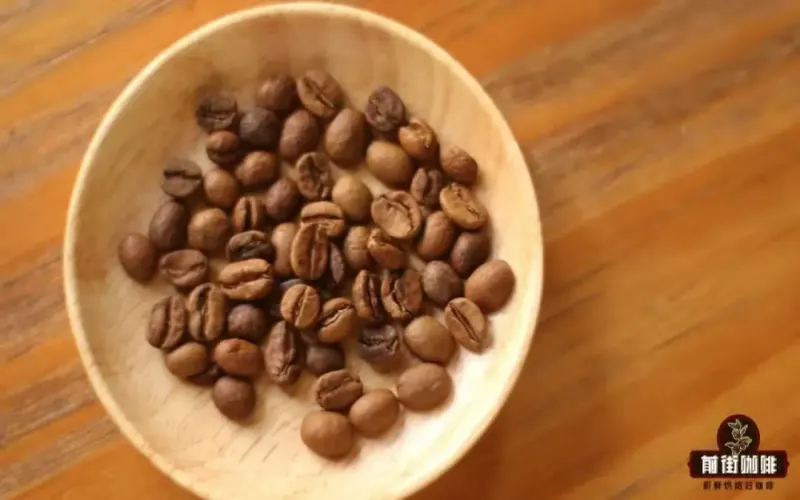
Coffee enthusiasts often notice that the coffee beans they buy vary in color from light to dark, and suspect a roasting problem. In fact, in most cases the color variation is not a roasting accident—it may actually mean the beans can brew into a richer, more layered cup. As an agricultural product, coffee beans can never be as uniform as an industrial product. This article starts from the common questions received by Front Street Coffee's customer service to explain how factors such as the uneven size of Ethiopian beans, residual pectin sugars in honey processing, and anaerobic processing cause color variation in coffee beans—and why this variation is sometimes a plus for flavor. [more…]
What Are the Differences Between Washed, Natural, and Honey Processing? A Detailed Explanation of the Flavor Characteristics and Operating Procedures of Three Coffee Bean Processing Methods
The flavor profile of coffee beans is largely determined by the processing method used after harvest. Washed, natural, and honey processing, as the three traditional and common coffee processing methods, each shape distinctly different expressions in the cup: washed coffees have bright acidity and high cleanliness; natural coffees have prominent sweetness and complex layers; honey processing strikes a balance between acidity and sweetness while amplifying aroma. Using three Geisha coffee beans from the Boquete producing region of Panama as samples, Front Street Coffee examines the core differences among these three processing methods one by one, from operational steps to the appearance of green and roasted beans, and also includes the brewing flavor and roasting records of each bean to help coffee enthusiasts build a clearer framework for understanding flavor. [more…]
An In-Depth Analysis of Semeon Abay's Special Anaerobic Processing Method: From Fermentation Technique to Flavor Expression
Coffee bean processing methods are becoming increasingly diverse, and among them the Semeon Abay processing method has attracted the attention of many enthusiasts with its unique fermentation logic and personal character. From the perspective of Front Street Coffee, this article systematically sorts out the origin story and operational process of this special processing method, while also comparing the advantages, disadvantages, and flavor differences of the three traditional methods—washed, natural, and honey—to help readers more clearly understand the impact of different processing methods on coffee taste and provide a reference basis for everyday purchasing decisions. [more…]

Natural, Washed, Semi-Natural, and Honey Processing: A Full Analysis of the Process Differences and Flavors of Four Coffee Bean Processing Methods
In today's increasingly thriving specialty coffee scene, roaster and cupper have gradually become popular professions, and many coffee professionals and enthusiasts also see roasting as a direction for entrepreneurship. The final flavor of a coffee bean is influenced by numerous factors—variety, processing method, regional terroir, and even the type of shade tree—making the variables many and difficult to clarify one by one. Nevertheless, each factor still has its own discernible patterns and characteristics, among which the processing method is particularly critical in shaping flavor direction. This article will take the four mainstream processing methods—natural, washed, semi-washed, and honey—as its framework, systematically sorting out each one's technical principles, key operational points, flavor characteristics, and representative coffee beans, to help readers build a systematic understanding of coffee processing methods. [more…]
Specialty Pour-Over Coffee Bean Recommendation | What's the Difference Between Red Honey, Yellow Honey, and Black Honey Processing? An Introduction to the Flavor and Mouthfeel of Costa Rica's Pilon Processing Plant Black Honey Process Caturra
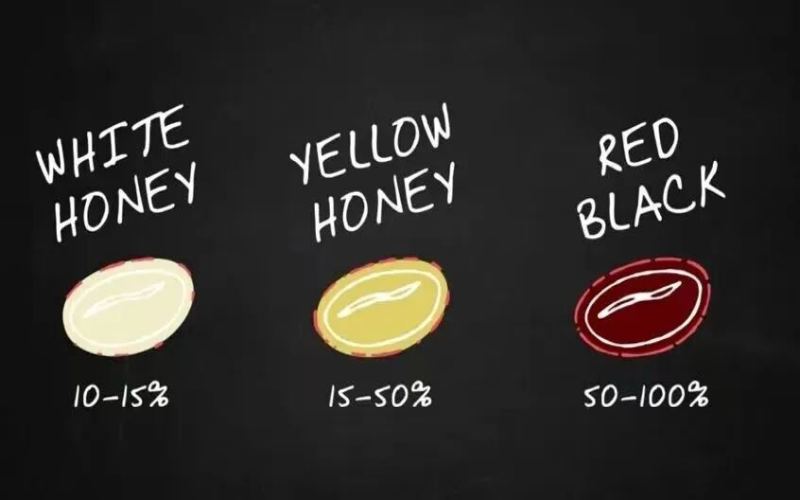
"Sweetness" is an excellent trait that can make a bean stand out. At Front Street Coffee, when selling coffee beans, we often have friends ask for "a bean with higher sweetness." When it comes to high-sweetness coffee, Front Street believes that the first thing many people think of is Costa Rican honey-processed coffee! As a honey-processed [more…]
What are the differences between natural, washed, and honey processing? A detailed explanation of the steps and flavor characteristics of the three major coffee bean processing methods
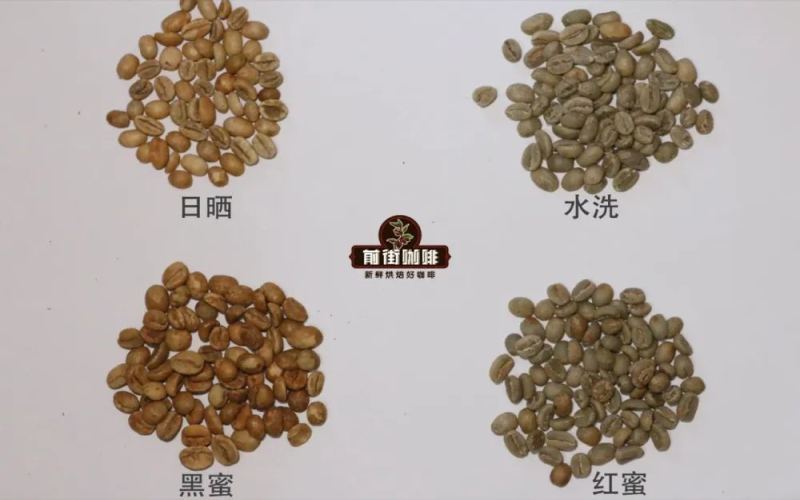
Beyond variety and origin, the processing method also plays a key role in the flavor differences of coffee beans. The mainstream coffee processing methods today can be broadly divided into three major categories: natural processing (dry method), washed processing (wet method), and honey processing (semi-dry method). Different processing procedures give coffee beans distinctly different aromas, acidity, and sweetness. In the following text, Front Street Coffee will explain one by one the specific steps of these three processing methods, their respective characteristics, and the flavor performance found after cupping, to help coffee enthusiasts more systematically understand the impact of processing methods on coffee flavor. [more…]

What's the difference between natural and washed coffee? A guide from processing steps to flavor characteristics to help you quickly identify coffee bean processing methods
Coffee beans from the same origin can present completely different flavor profiles simply because of different processing methods. Natural and washed, as the two most classic processing methods, each give coffee beans a unique imprint of character. Starting from real tasting scenarios at Front Street stores, this article introduces the complete processes of the two processing methods, and uses Ethiopia Yirgacheffe Natural Red Cherry and Washed Kochere as comparative samples to experience the flavor differences under the same brewing parameters, thereby understanding the principles behind the differences. Once you master this method, you will also be able to quickly identify a bean's processing method the next time a cup of coffee touches your lips, truly advancing to become a coffee tasting expert. [more…]
Ethiopia Bensa Hamasho Processing Station Natural 74158 Coffee Flavor Analysis and Brewing Parameters Sharing
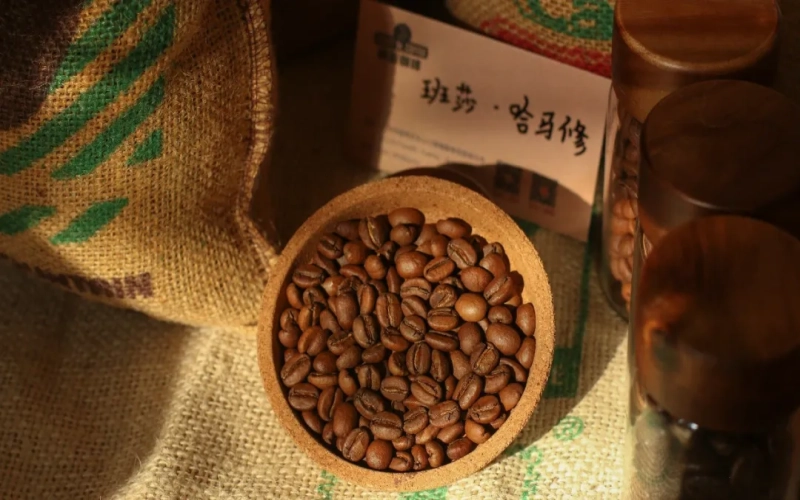
This coffee, brought to you this time by Front Street, comes from the Hamasho processing station in the Bensa region of Ethiopia. It is sun-dried and of the 74158 variety. The combination of superior terroir, meticulous post-harvest processing, and a single disease-resistant variety allows this bean to display a distinctive flavor profile. From the dry aroma during grinding to the layered changes after sipping, it left a deep impression on Front Street. This article will introduce the background of the Hamasho processing station, the characteristics of the 74158 variety, and the sun-dried processing flow, and share the parameters and flavor experience Front Street used when actually brewing this bean, for coffee lovers' reference. [more…]
A Complete Guide to Natural and Washed Coffee Processing: Step-by-Step Procedures, Flavor Differences, and Green vs. Roasted Bean Comparison
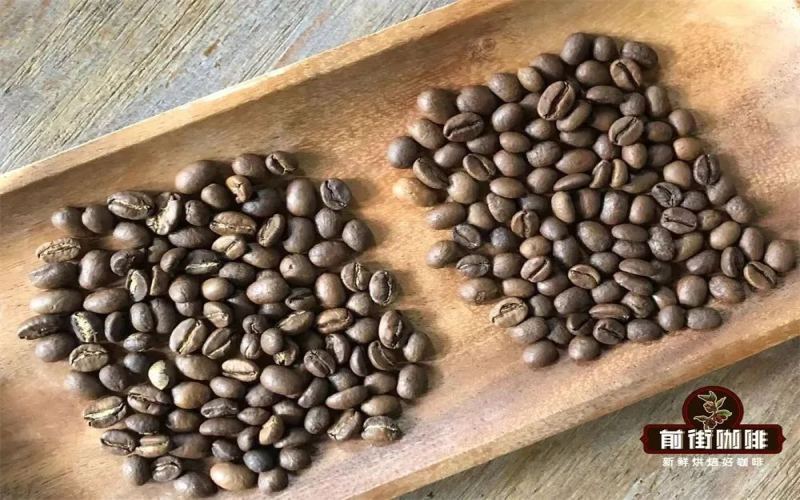
When buying coffee beans, the packaging often indicates processing methods such as natural, washed, and honey. What exactly is the difference between natural and washed? Front Street Coffee takes you through the structure of the coffee fruit to explain in detail the specific steps, advantages and disadvantages, and flavor characteristics of the two processing methods. It also uses two Yirgacheffe coffees—Front Street Natural Red Cherry and Washed Gudingding—to compare the silver skin differences between green beans and roasted beans, and to analyze the fermented sweetness of natural beans and the bright cleanliness of washed beans. Only by understanding processing methods can you better choose the flavor you love. [more…]
Natural, Washed, Honey, Wet-Hulled, Anaerobic: A Flavor, Taste, Variety, and Origin Analysis of the Three Major Coffee Bean Processing Methods
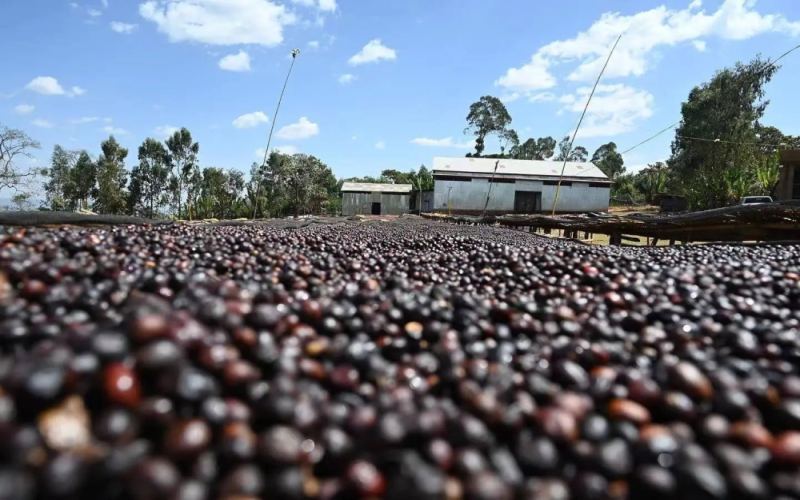
The processing method of coffee directly determines the flavor direction in the cup. Front Street Coffee (FrontStreet Coffee) has found in daily conversations with customers that more and more people are paying attention to coffee bean processing methods, which precisely shows that everyone's understanding of coffee is continuously deepening. This article systematically sorts out mainstream processing techniques such as natural, washed, honey, wet-hulled, and anaerobic fermentation, comparing them item by item from operational processes, flavor performance, bean appearance, to origin suitability conditions, helping coffee enthusiasts build a clear cognitive framework. The article also combines specific beans currently sold by Front Street, such as Yirgacheffe, the Costa Rica Musician series, and Mandheling, to explain how different processing methods shape their respective sweetness, acidity, and aroma characteristics, providing reference for bean selection and brewing. [more…]
How to Identify Coffee Bean Processing Methods: A Practical Guide to Silver Skin Observation and Flavor Tasting
Many coffee enthusiasts can quickly determine a coffee bean's origin, variety, and processing method through observation and tasting. This is not an innate talent, but rather the mastery of certain practical techniques. Front Street Coffee has previously shared methods for identifying varieties with everyone, and this time will focus on how to distinguish coffee bean processing methods. The article unfolds from two angles: first, observing the amount of remaining silver skin, and second, distinguishing the flavor differences brought by different processing methods through tasting. Whether you are a coffee novice just starting out or an enthusiast hoping to further improve your tasting skills, these methods can help you more accurately understand the characteristics of processing methods such as natural, washed, and honey, so that you can make wiser choices when purchasing and brewing. [more…]
How can you tell coffee bean processing methods apart? Start with silver skin residue and cupping flavors to quickly distinguish natural, washed, honey, and wet-hulled methods
Many coffee enthusiasts hope to determine a coffee bean's processing method simply by observation or tasting, and there is actually a method to this. Drawing on Front Street's practical experience, this article systematically sorts out the classification logic of common processing methods: the globally universal washed and natural methods, as well as the region-specific Indonesian wet-hulled method and Central and South American honey process. The article focuses on how to quickly distinguish processing methods by observing the remaining silver skin on roasted beans, the white line in the bean crease, and the degree of caramelized sugar staining, while also using examples from producing regions such as Yirgacheffe to explain the differences between natural and washed coffees in flavor layering, sweetness, and cleanliness, and extending to the flavor logic of anaerobic processing, helping you build a practical framework for discernment. [more…]

A Detailed Explanation of Three Classic Coffee Processing Methods: Processing Differences and Flavor Comparison of Washed, Natural, and Honey Processing
Washed, natural, and honey processing are the three most fundamental green bean processing methods in the specialty coffee world, each shaping the final flavor profile of the coffee in its own way. In this article, Front Street Coffee will use three Geisha coffee beans from the Boquete producing region of Panama as examples to break down the specific operational procedures, flavor characteristics, and the appearance differences between green and roasted beans for each of these three processing methods. We will also trace the evolution of honey processing in Brazil and Central and South America, and include the roasting records for three beans—Front Street's Emerald Estate Green Label Geisha, Ethiopian Natural Flower Queen, and Strawberry Candy Geisha Blend—for coffee enthusiasts to reference and compare. [more…]